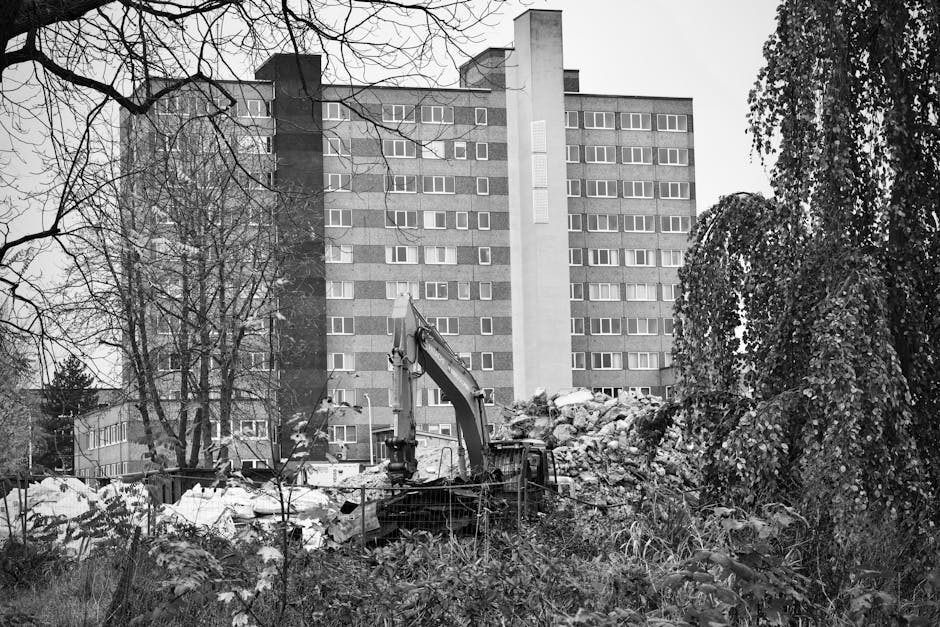
Bayswater House Clearance Case Study Rubbish Transformation
There's a certain moment in every clearance job when the space starts to feel bigger before it even looks empty. You hear it in the room too: less scraping, less dragging, less clutter shifting underfoot. That is the heart of the Bayswater House Clearance Case Study Rubbish Transformation story-turning a difficult, overloaded property into a calm, workable space again.
This article breaks down what that transformation really involves, why it matters in Bayswater, how a clearance is typically approached, and what to watch out for if you are planning one yourself. If you are comparing services, trying to understand the process, or simply facing a place that has got away from you a bit, this guide will help. We'll cover practical steps, common mistakes, compliance considerations, and a realistic example of how rubbish can be cleared, sorted, and removed without making a bigger mess of things. Sounds simple. It rarely is, but it can be done well.
For readers looking to explore the wider service options behind a clearance project, it can help to understand the difference between house clearance, home clearance, and more targeted support such as furniture disposal or waste removal. That context matters when the job includes bulky items, mixed rubbish, and a few awkward surprises tucked in corners.
In Bayswater especially, space is often at a premium. Flats, terraced homes, converted buildings, and compact access routes all make clearance work feel like a puzzle. Do it well, though, and the result is more than a tidy room. It is relief. A clean start. A property that feels usable again.
Table of Contents
- Why Bayswater House Clearance Case Study Rubbish Transformation Matters
- How Bayswater House Clearance Case Study Rubbish Transformation Works
- Key Benefits and Practical Advantages
- Who This Is For and When It Makes Sense
- Step-by-Step Guidance
- Expert Tips for Better Results
- Common Mistakes to Avoid
- Tools, Resources and Recommendations
- Law, Compliance, Standards, or Best Practice
- Options, Methods, or Comparison Table
- Case Study or Real-World Example
- Practical Checklist
- Conclusion
- Frequently Asked Questions
Why Bayswater House Clearance Case Study Rubbish Transformation Matters
A house clearance case study is not just a before-and-after story. It shows how a property changes when clutter, old furniture, damaged household items, and general rubbish are removed in a structured way. In Bayswater, that transformation is especially meaningful because so many properties have limited storage, awkward layouts, or shared access. One overloaded hallway can block an entire move. One stacked spare room can affect sale photos, letting viewings, renovation work, or even day-to-day living.
The "rubbish transformation" part is important too. Not everything in a clearance is reusable furniture or tidy bagged waste. Often it is a mix of broken household items, worn-out soft furnishings, packaging, old appliances, and general junk that has built up over months or years. A good clearance process separates these streams carefully, which helps with disposal, recycling, and safety. That makes a real difference, not just aesthetically but practically.
There is also a psychological shift. Clutter can make a property feel heavier than it is. You walk in and instantly know the job has become too much for one person. Once the bulky items leave, the room tends to breathe again. A kitchen can be cleaned properly. A loft can be accessed. A flat can finally be marketed or refurbished. To be fair, that change is often as valuable as the clearance itself.
Expert summary: the best clearance transformations are not just about removal. They are about restoring function, reducing risk, and creating a property that can be used, sold, repaired, or handed over without stress.
If you are dealing with an entire property rather than one room, the service may overlap with flat clearance, loft clearance, or even garage clearance. The right approach depends on where the accumulation has happened and how much sorting is needed.
How Bayswater House Clearance Case Study Rubbish Transformation Works
At a practical level, the process starts with assessment. That means looking at what is in the property, how much can be removed, what needs special handling, and whether there are access issues. Bayswater homes often present those little complications that do not sound dramatic but absolutely matter: narrow staircases, restricted parking, lift access, shared entrances, or neighbours who would rather not hear a trolley rattling at 7am.
Once the layout is understood, the clearance is usually broken into categories. Good teams do not simply throw everything into one pile and hope for the best. They separate reusable items, recyclable materials, bulky furniture, and general rubbish. When needed, they also treat fragile or sensitive materials carefully, especially if a property contains paperwork, personal belongings, or items with sentimental value. That part can be delicate. Not all clutter is just clutter.
From there, the work becomes a sequence: protect access routes, remove obvious hazards first, lift bulky items safely, bag and sort mixed waste, and then finish with a final sweep-through so the property is left ready for the next step. If the job involves renovation leftovers or stripped-out materials, builders waste clearance may be a better fit for the heavier end of the debris. For commercial premises, business waste removal or office clearance may be more suitable.
In many real cases, the "transformation" is not one dramatic action. It is a chain of small, sensible decisions. Sort. Lift. Separate. Reuse where possible. Dispose of what cannot be used. Clean the edges. Check again. Then check once more. That last pass matters, because forgotten corners have a habit of revealing one more bag, one more chair, one more box of old cables. Classic.
Key Benefits and Practical Advantages
The biggest benefit is obvious: you get your space back. But that is only the starting point. A well-managed clearance can improve safety, speed up refurbishment, reduce stress, and make a property more attractive for sale or letting. In a local area like Bayswater, where property values and rental expectations are often closely tied to presentation, that can be a meaningful practical advantage.
- Better access: rooms, lofts, garages, and cupboards become usable again.
- Improved safety: fewer trip hazards, less fire load, and clearer walkways.
- Faster next steps: decorating, repairs, cleaning, or valuation can begin sooner.
- Less emotional strain: especially when a property has been left full for a long time.
- Cleaner separation of waste: helpful for recycling and responsible disposal.
There is also a financial angle, though it should be handled carefully. Clearing a cluttered property may help avoid delays and reduce the cost of downstream work like deep cleaning or emergency access fixes. That said, every property is different, and it would be silly to promise savings without seeing the actual load. A quote is only ever a quote until someone stands in the hallway and realises the hallway is, in fact, not a hallway anymore.
Another advantage is consistency. If you use a professional service that understands household, bulky, and mixed waste, the job is more predictable. You know what will happen, when it will happen, and how the waste should be handled. That predictability is worth a lot when a landlord, family member, executor, or buyer is waiting on the other side of the door.
For some projects, pairing a clearance with recycling and sustainability practices can improve how materials are handled. In plain English: less can go to waste, and more can be directed to the right stream.
Who This Is For and When It Makes Sense
This kind of clearance is useful for a wide range of people. You might be moving out of a flat in Bayswater and need everything gone quickly. You might be dealing with a relative's property and need a respectful, orderly clear-out. You might be a landlord between tenancies, a homeowner after renovation, or someone who has simply reached the point where the spare room has stopped being spare. Happens more often than people admit.
It also makes sense if you are facing any of these situations:
- a property needs to be sold or let and must be presentable
- there are bulky items blocking access or storage areas
- the clearance includes a mix of furniture and general junk
- you need a one-off tidy-up after works, a move, or a long period of accumulation
- you want safer, more organised disposal than a do-it-all-yourself approach
If the issue is mostly old sofas, beds, wardrobes, or tables, a service focused on furniture clearance may be the right starting point. If the material is more scattered and generalised, a broader waste removal approach is often better. The trick is matching the method to the mess. That sounds obvious, but a lot of bad decisions start when people treat every pile like the same problem.
Sometimes the job is partly emotional too. Clearing a home after years of living, caring, hoarding, or simply postponing the task can feel heavy. If that is your situation, you are not behind, and you are definitely not the first. The best result usually comes from steady decisions, not heroic ones.
Step-by-Step Guidance
Here is a simple, practical way to think about the process from start to finish.
- Walk through the property carefully. Identify what is being removed, what must stay, and what might need special handling.
- Separate obvious categories early. Furniture, bags of rubbish, recyclables, and personal items should not all be treated the same way.
- Plan access and lifting. Check stairs, door widths, parking, and whether items need to be carried through shared areas.
- Remove hazards first. Broken glass, unstable piles, or awkward items should come out before the main sweep.
- Clear room by room. This keeps the job controlled and reduces the chance of missing items.
- Sort as you go. It saves time later and makes responsible disposal much easier.
- Finish with a final check. Look in cupboards, behind doors, under beds, and in loft hatches. People forget places. Every time.
If the clearance involves a loft, do not rush the access stage. Loft clearance often exposes hidden dust, low headroom, and old storage boxes that have sat untouched for years. The job can be straightforward, but only if it is handled with patience.
And a small but useful point: take photos before and after. Not for performance. Just for records, insurance conversations if needed, and a sanity check that the transformation really happened. Sometimes the "after" looks so calm you almost forget how packed the room used to be.
Expert Tips for Better Results
Over time, the best clearances tend to follow a few simple habits. Nothing flashy. Just sensible practice, repeated well.
- Start with the hardest access point first. If the staircase, hallway, or front path is a bottleneck, solve that early.
- Keep valuables and documents separate. Even in a cluttered property, papers and small personal items can be important.
- Use clear categories for mixed waste. One pile for furniture, one for bagged rubbish, one for anything recyclable where possible.
- Avoid overfilling bags. Heavy bags split, and then you are cleaning up twice. No one enjoys that bit.
- Schedule sensible timing. Early mornings can be efficient, but only if access, neighbours, and parking are planned properly.
Another useful tip is to think in zones rather than just "the whole house." A kitchen zone, a bedroom zone, a storage zone. That makes the work feel less overwhelming and gives you visible progress faster. The eye likes progress. So does the brain, frankly.
If you are arranging the job around a move or a sale, it can help to review pricing and quotes before you commit. Clear expectations are much better than vague promises, especially when time is tight.
Common Mistakes to Avoid
The biggest mistake is underestimating volume. A property that looks manageable at first glance can fill a van far faster than expected once drawers, cupboards, under-bed storage, and hidden corners are opened up. That is why a proper walkthrough matters. Another common problem is mixing sentimental items with rubbish and then trying to sort later. By the time everything is in one heap, the job becomes slower and more stressful.
Other mistakes include:
- not checking access routes before the day of clearance
- assuming all furniture can simply be dragged out without damage
- forgetting to protect communal areas in shared buildings
- failing to separate recyclables from general waste
- leaving disposal decisions until the end of the day
There is also a subtle one people make: they try to make the project too perfect before anyone starts. Truth be told, a good clearance is often a sequence of imperfect but sensible steps. You do not need the whole thing planned down to the last tea mug. You do need a workable system.
In flat buildings especially, poor communication can create avoidable friction. If neighbours, landlords, caretakers, or building managers need to know something, tell them early. It saves headaches. And headaches, in a busy London block, tend to echo.
Tools, Resources and Recommendations
You do not need specialist equipment to understand a clearance project, but a few practical tools can make the process smoother.
- Strong gloves and sturdy footwear for safer handling
- Heavy-duty bags and boxes for sorting and transport
- Labels or marker pens to identify keep, donate, recycle, and remove piles
- Measuring tape for checking tight access or bulky furniture
- Basic cleaning supplies for the final sweep after removal
From a planning perspective, it also helps to look at the wider property type. A one-bed flat, a family house, a garage, or a workspace each creates different kinds of waste. Services such as flat clearance, garage clearance, and office clearance exist because the job shape changes from one setting to another. That distinction saves time and avoids paying for the wrong kind of support.
One recommendation that often gets overlooked: keep a simple inventory of items you want to retain before the clearance starts. A handwritten list is fine. Nothing fancy. This is one of those tiny habits that prevents a lot of "where did that box go?" moments later on.
Law, Compliance, Standards, or Best Practice
For clearance and waste work in the UK, the safest approach is to follow responsible waste handling, keep records where required, and use a service that understands proper disposal routes. Exact legal duties can vary depending on the type of waste, whether it is household, commercial, or construction-related, and who is producing it. Because of that, it is wise to treat compliance as a practical process rather than a box-ticking exercise.
Best practice usually includes:
- sorting waste sensibly rather than mixing everything together
- handling items safely to reduce the risk of injury or property damage
- protecting communal spaces in flats or shared buildings
- being cautious with personal documents and sensitive contents
- using suitable disposal routes for different material types
When a project involves renovation debris, heavier materials, or stripped-out fixtures, builders waste clearance is often more appropriate than a standard household clearance. That matters because different waste streams can require different handling expectations.
Safety should not be an afterthought either. Review health and safety policy information and insurance and safety arrangements before work begins, especially if the property has awkward access, damaged items, or fragile flooring. These are the details that keep a simple job from turning into an avoidable problem.
For businesses, offices, and landlords, it is also worth checking the broader service approach and records. If a provider has clear policies, sensible processes, and a transparent way of working, that is a good sign. Not glamorous, but good signs are underrated.
Options, Methods, or Comparison Table
Not every clearance needs the same method. Sometimes the smartest move is a targeted clearance. Sometimes a full property clearance is better. Here is a simple comparison to help you judge the fit.
| Approach | Best for | Strengths | Watch-outs |
|---|---|---|---|
| Full house clearance | Large mixed contents, complete property emptying | Efficient for bigger jobs, broad coverage | Can be more than you need if only one area is affected |
| Flat clearance | Smaller homes, apartments, shared access buildings | Well suited to compact spaces and access planning | Parking, lifts, and stairs can affect timing |
| Furniture clearance | Bulky items like sofas, tables, beds, wardrobes | Simple when the main issue is large household items | Not ideal if waste is mixed and varied |
| Waste removal | General rubbish, mixed clutter, one-off clear-outs | Flexible and practical | May need sorting if items are reusable or sensitive |
| Loft or garage clearance | Stored items, seasonal accumulation, forgotten clutter | Targets the worst bottlenecks first | Often reveals more waste than expected |
The point is not to choose the biggest service. It is to choose the one that fits the mess in front of you. Small distinction, big difference.
Case Study or Real-World Example
Let's look at a realistic example. A Bayswater property has a front room partly used for storage, a bedroom with old furniture, and a hallway lined with mixed bags, boxes, and loose items. The owners want the place ready for cleaning and refurbishment. Nothing dramatic, but the clutter has built up enough to make every task awkward.
The first step is a careful walk-through. The team identifies what stays, what goes, and which items need separating before removal. There are a couple of bulky wardrobes, a broken chair, several bags of mixed rubbish, and some smaller pieces that could be recycled or assessed for reuse. A narrow stairwell means the movement route needs to be kept clear at all times. No one wants a wobbling table edge bumping the wall in a Georgian conversion. That kind of thing lingers in the mind.
Work begins with the hallway, because access matters most. Once the route is clear, the larger furniture comes out first. Then the mixed rubbish is bagged and sorted, and finally the remaining loose items are dealt with room by room. The property goes from cramped and hard to navigate to open enough for deep cleaning and decorating. The transformation is not just visual. It changes how the property feels when you stand in it. The echo is different. The light reaches the walls again. Even the dust looks less intimidating, which sounds odd, but there it is.
In a case like this, the success of the clearance depends on three things: preparation, sorting, and restraint. Preparation keeps the work smooth. Sorting keeps disposal responsible. Restraint means not rushing through the final check. That last twenty minutes often saves an hour later.
For a similar property that also needs soft furnishings removed, it may be sensible to combine the job with furniture disposal rather than handling everything separately. If the property is a rented home being handed back, a broader home clearance view can help align the removal with cleaning and handover plans.
Practical Checklist
Use this checklist if you are preparing for a rubbish transformation project in Bayswater.
- Identify every room or area that needs clearing
- Separate items you want to keep before any removal begins
- Check access routes, parking, stairs, and lift use
- Flag any hazardous, fragile, or heavy items early
- Decide whether the job is household, furniture-focused, or mixed waste
- Arrange a suitable time window for removal
- Protect floors, walls, and communal areas where needed
- Ask how recycling and disposal will be handled
- Confirm what happens to reusable or unwanted furniture
- Do one final walkthrough before the work finishes
A small checklist can stop a big mess from getting bigger. That is the simple truth of it.
Conclusion
A Bayswater house clearance transformation is not just about removing rubbish. It is about changing the way a property functions, feels, and moves forward. Once clutter is gone and the waste is sorted properly, you can see the real shape of the space again. That matters whether you are selling, letting, refurbishing, or just trying to breathe easier at home.
The best outcomes come from realistic planning, clear sorting, sensible access management, and a calm approach to the bits people usually rush. If you remember only one thing, make it this: good clearance work reduces stress before it creates visible change. The tidy room is the result, not the whole story.
If you want to learn more about the company behind these services, you can visit about us, review payment and security, or check the available pricing and quotes information before you decide how to proceed.
Get a free quote today and see how much you can save.
Sometimes the best part of a clearance is the quiet that comes after it. A room without clutter has a way of giving people a bit of headspace back, and honestly, that can feel like a proper win.
Frequently Asked Questions
What does a Bayswater house clearance case study actually show?
It shows how a cluttered property is assessed, cleared, sorted, and transformed into a usable space again. The useful part is seeing the process, not just the result.
How is rubbish transformation different from ordinary clearance?
Rubbish transformation focuses on the change from unusable clutter to organised space. It usually involves mixed waste, bulky items, and a more structured sorting process.
Can a clearance be done in a flat with narrow stairs?
Yes, but access planning matters a lot. Flat clearance often depends on stair width, lifts, parking, and protecting communal areas.
What happens to furniture during a house clearance?
Furniture may be removed for disposal, recycling, or separate handling depending on its condition and the type of service booked. Large items are often moved first because they take up the most space.
Is it better to choose house clearance or waste removal?
House clearance is usually better when the property contains a mix of furniture, belongings, and rubbish. Waste removal can be more suitable when the job is mainly general clutter or bagged waste.
How long does a typical Bayswater clearance take?
That depends on the size of the property, the volume of items, and how easy access is. A one-room job is very different from a full property clear-out, so timing can vary a lot.
Do I need to sort items before the clearance team arrives?
It helps, but you do not need to do everything yourself. A quick separation of keeps, valuables, and obvious rubbish makes the job much smoother.
What are the most common mistakes people make before a clearance?
Underestimating how much there is, forgetting access issues, and mixing keep items with rubbish are the big ones. People also leave sorting until the last minute, which never helps.
Can a clearance include lofts, garages, and storage areas?
Yes. In many cases, the job includes loft clearance, garage clearance, or other storage spaces because that is where the worst accumulation tends to hide.
How should I think about compliance and safety?
Use sensible waste handling, protect access routes, and be careful with heavy, sharp, or fragile items. If the clearance includes building debris, check whether builders waste clearance is more appropriate.
What if I only need part of the property cleared?
That is common. You may only need one room, one storage area, or a furniture-focused service. A targeted approach is often more efficient than clearing everything at once.
Where can I find more information before booking?
You can review the service pages for the kind of clearance you need, look at recycling and sustainability, and check practical details such as terms and conditions before making a decision.