Paddington Station Rubbish Clearance Tips for Commuters
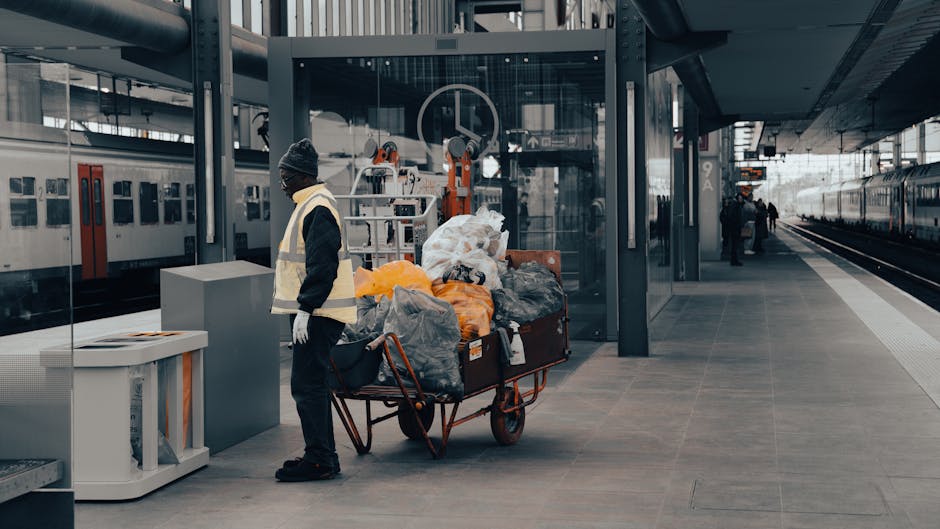
If you commute through Paddington, you already know the routine: the early train, the coffee in one hand, the bag that somehow gets heavier by 6:30am, and the awkward question of what to do with the bits of rubbish you do not want to carry all day. Paddington Station rubbish clearance tips for commuters are really about making that daily shuffle simpler. A few small habits can keep your journey cleaner, your bag lighter, and your conscience a bit clearer too. Truth be told, most commuter mess is not dramatic; it is the water bottle, the lunch wrapper, the old leaflet, the packaging from a quick online order. But small waste piles up fast.
This guide gives you practical ways to manage rubbish around Paddington Station without making your commute a chore. You will find simple sorting tips, what to do with awkward items, when to use a professional clearance service, and how to avoid the usual mistakes that make a tidy journey feel strangely difficult.
Why Paddington Station Rubbish Clearance Tips for Commuters Matters
Paddington is one of those places where movement never really stops. People arrive with suitcases, bikes, umbrellas, work bags, shopping, takeaways, and the occasional half-finished breakfast they regret by platform two. In that kind of environment, rubbish can become a nuisance very quickly. One coffee cup left on a bench, one bag of packaging balanced near a seat, and suddenly the whole area feels less pleasant. Nobody wants that, least of all the people who use the station every day.
For commuters, rubbish clearance matters for three practical reasons. First, it helps keep your own journey organised. Second, it reduces the chance of leaving waste behind in a busy public place where someone else has to deal with it. Third, it saves time later. A few seconds spent sorting waste before you leave home or office often beats carrying it around until you get frustrated and shove it into the nearest pocket. We have all done something like that.
There is also a wider benefit. Stations and surrounding streets work best when everyone takes a bit of responsibility for the waste they generate. That does not mean being perfect. It just means being aware, prepared, and a bit more deliberate.
Expert summary: the best rubbish clearance habit for commuters is not complicated. Carry less, sort sooner, and never assume a public bin will fix everything. Small habits prevent bigger mess.
How Paddington Station Rubbish Clearance Tips for Commuters Works
At commuter level, rubbish clearance is usually a mix of prevention, sorting, and disposal. Prevention means reducing how much waste you create in the first place. Sorting means separating what can be recycled from what cannot. Disposal means putting waste in the right place at the right time, whether that is your home bin, office recycling, station bin, or a professional removal service for larger or awkward items.
Near Paddington, the most common commuter waste tends to fall into a few simple categories:
- Food and drink packaging, such as cups, lids, wrappers, and napkins
- Paper waste, including tickets, receipts, flyers, and notebooks
- Personal items that are no longer needed, like old chargers or damaged travel accessories
- Workday clutter from the office or coworking space
- Occasional bulky items, such as broken luggage or surplus furniture from a move
For the first four categories, good habits are enough. For bulky waste or repeated clear-outs, you may want a proper clearance approach. That is where services such as waste removal can make life a lot easier, especially if you are dealing with more than a simple bin-bag's worth of material.
Commuter rubbish clearance is not about doing a huge clean-up every day. It is about making sensible choices in the flow of normal life. A little planning before you leave the house, a bit of discipline during the journey, and a clean handover when you arrive back home. Sounds simple. It mostly is.
Key Benefits and Practical Advantages
There are obvious benefits to staying on top of rubbish, but the useful ones are often the quiet, practical ones you notice after a week or two.
- Less stress in transit: You are not carrying around waste that smells, leaks, or takes up room in your bag.
- Cleaner workdays: A tidy commute usually leads to a tidier desk, kitchen, locker, or flat.
- Better time use: Sorting waste in advance is quicker than dealing with it in a rush later.
- Fewer accidental messes: Crushed cups, loose wrappers, and wet packaging can be annoying, especially on a crowded train.
- Better recycling outcomes: Waste that is separated properly is more likely to end up where it should.
- Improved travel comfort: Let's face it, nobody enjoys sitting next to a bag of old lunch packaging on a hot afternoon.
There is also a local business benefit. People commuting through Paddington often split their lives between home, office, and transit. That means waste can build up in all three places. If you are clearing a flat near the station, downsizing furniture, or emptying office clutter, a more structured approach can save repeated trips to the kerbside bin. For bigger jobs, options like flat clearance or office clearance may be more suitable than trying to do it piece by piece.
Who This Is For and When It Makes Sense
This advice is for anyone who passes through Paddington and wants a cleaner, smoother routine. That includes office workers, rail commuters, students, shift workers, local residents, short-stay renters, and people moving between homes. It is also useful for landlords, letting agents, and small business owners who deal with regular waste from people coming and going.
It makes sense when you are:
- Carrying food and drink waste after a long journey
- Clearing out a desk, locker, or bag before a commute
- Moving between a flat, office, and station with small items to dispose of
- Dealing with packaging from deliveries or online purchases
- Trying to avoid waste gathering in a hallway, bedroom corner, or office kitchen
- Preparing for a move, refurb, or end-of-tenancy clear-out
For example, if you live in a compact flat near Paddington and you have a few broken household items plus bags of general clutter, you may be better served by home clearance rather than trying to squeeze everything into a normal bin schedule. The same logic applies to storage spaces. A dusty loft, a packed garage, or a pile of old furniture can be easier to handle through proper specialist help than through a series of exhausting weekend trips.
Who is this not for? If you only generate one sandwich wrapper and one coffee cup a day, you probably do not need much more than a couple of disciplined habits. But if rubbish starts becoming a recurring problem, that is usually a sign you need a better system, not more willpower. Small difference, big impact.
Step-by-Step Guidance
If you want a realistic routine, keep it simple. The aim is not perfection. The aim is a commute that does not get messy, cluttered, or needlessly annoying.
- Start the day with an empty bag. Before you leave, check for yesterday's rubbish, old receipts, spare packaging, or forgotten bottles. Five seconds here saves a lot of faffing about later.
- Bring only what you need. A smaller load means fewer items to misplace and less waste to manage. If you can skip unnecessary packaging or single-use extras, do it.
- Use a separate pocket or pouch. Keep food wrappers, tissues, and paper bits in one place. That way they do not end up mixed with chargers, keys, or work documents.
- Think ahead about disposal. If you know you will be leaving the station with waste, plan where it will go. Your office recycling point? Home bin? A suitable disposal service later?
- Sort recyclable items from general waste. If a cup lid, paper slip, or carton can be separated cleanly, do that before it gets squashed or contaminated.
- Never leave loose items behind. Even small scraps can blow around. A tissue, a flyer, a bottle cap-these things move with the wind and somehow end up everywhere.
- Escalate when waste is no longer "commuter-sized." If you are dealing with bulky furniture, broken equipment, or multiple sacks, use a dedicated clearance option rather than improvising.
That last point matters. Commuters sometimes try to solve a small property-clearance problem with everyday rubbish habits, and it just does not work. A broken chair is not a coffee cup. A bag of old office files is not a sandwich wrapper. Different problem, different fix.
Expert Tips for Better Results
Here is where the day-to-day detail really helps.
1. Keep a tiny waste kit. A reusable bag, a spare fold-flat tote, or a small zip pouch can hold wrappers and tissues until you get to proper disposal. Nothing fancy. Just practical.
2. Dry waste is easier to manage. If you can keep recyclable paper separate from wet food waste, you will have more disposal options later. Once a napkin soaks up sauce, it is basically on the fast track to general waste.
3. Do the sorting before the rush. Morning platform queues are no place for casual rubbish sorting. If you know you will need to throw something away, handle it at home or the office first.
4. Be careful with sharp or breakable items. Glass, cracked plastic, and broken electronics should be handled with a bit more care than the average lunch container. Wrap them safely and avoid carrying them loose.
5. Use clearance support for recurring problems. If waste keeps building up because you are managing a move, a renovation, or a long-overdue declutter, it may be worth reviewing pricing and quotes so you know what is realistic before the mess grows.
6. Ask yourself one question before you keep it. Do I actually need this item, or am I just carrying it because I have not made a decision yet? That question solves more clutter than people expect.
7. Think about the journey, not just the bin. Waste that is easy to throw away at home can become unpleasant on a packed train. Odour, leaks, and loose packaging are the usual troublemakers.
A small aside: commuter rubbish often looks harmless until it sits in the bottom of a bag for half a day. Then the banana skin has opinions. Best not to give it the chance.
Common Mistakes to Avoid
Most rubbish problems are not caused by a lack of bins. They are caused by habits that seem fine in the moment.
- Leaving waste in public places "just for a minute". That minute turns into someone else's problem very quickly.
- Mixing wet and dry waste. Once packaging gets contaminated, recycling options usually shrink.
- Overfilling small bags. Bags split, contents spill, and your commute gets messy in the least convenient way.
- Ignoring bulky items. A broken suitcase, office chair, or pile of unwanted items needs a proper plan.
- Trying to solve a clearance issue too late. The longer waste sits around, the harder it gets to manage.
- Assuming all services are the same. For example, a few household items may fit a furniture-focused service better than a general clear-out. If you are disposing of old sofas or chairs, furniture disposal can be more appropriate than guessing.
There is also the classic commuter mistake of carrying a "temporary" item for three weeks. You know the one. A parcel box, a worn umbrella, a broken charger. At some point temporary just becomes clutter. Be honest about that. It helps.
Tools, Resources and Recommendations
You do not need much gear, but a few simple tools make a real difference.
- Reusable tote or fold-up bag: good for separating recyclables or carrying waste home securely.
- Small sealable pouch: ideal for receipts, tickets, tissues, and other tiny bits of rubbish.
- Compact bottle or cup holder: helps prevent spills in a crowded carriage.
- Labels or colour coding at home: useful if you are separating recycling, general waste, and items for disposal.
- Clear-out plan for bigger jobs: especially if you are clearing a flat, garage, loft, or office space.
If your waste issue is bigger than everyday commuter litter, it is worth looking at services that match the type of load. A cluttered spare room may point you towards loft clearance, while old shed contents might be better suited to garage clearance. For green waste or outdoor rubbish, garden clearance may be the sensible route. Matching the service to the waste is one of those unglamorous decisions that saves time later.
If your concern is broader waste handling rather than one-off clutter, a page like recycling and sustainability can help you think through the environmental side of disposal as well. It is not just about getting rid of things. It is about getting rid of them properly.
Law, Compliance, Standards, or Best Practice
For commuters, the main point is simple: do not dump waste in places where it does not belong. Public littering, fly-tipping, and careless disposal can create legal and practical problems, and they also make life harder for everyone nearby. If you are leaving rubbish in or around a station, use the right bins and follow site rules. If the item is too large, too awkward, or too much for normal disposal, arrange a proper removal route.
In the UK, businesses and households are generally expected to manage waste responsibly, separate it where appropriate, and use reputable collection or disposal methods. The exact duties can vary depending on the waste type, but the best practice is fairly consistent: keep waste contained, do not contaminate recycling, and use licensed or suitable services for larger items. That is especially important for electronics, furniture, mixed loads, and anything that may need special handling.
For professional support, it is sensible to choose a provider that is clear about safety, handling, and process. Relevant trust pages such as health and safety policy, insurance and safety, and terms and conditions are useful signals that the business takes its responsibilities seriously.
One practical note: if you are clearing waste from a flat, office, or rented property, keep an eye on building rules and landlord expectations too. Sometimes the waste itself is not the problem; the access, timing, or storage of it is. A bit of care there avoids awkward conversations. Nobody wants that before work.
Options, Methods, or Comparison Table
Different waste problems need different solutions. Here is a simple way to think about it.
| Method | Best for | Pros | Limitations |
|---|---|---|---|
| Carry waste home and bin it later | Small everyday items like wrappers, paper, and cups | Cheap, simple, easy to maintain | Not ideal for wet, smelly, or bulky rubbish |
| Use station or workplace bins | Light commuter waste | Convenient, fast | Bins may be full, and recycling options can be limited |
| Separate home recycling | Dry paper, cardboard, and clean packaging | Improves recycling quality | Needs a bit of discipline and space |
| Professional waste removal | Bulky loads, repeated clear-outs, mixed rubbish | Saves time, reduces stress, handles larger volumes | Needs planning and a budget |
For a commuter with one sandwich wrapper and a paper cup, the first or second method is enough. For somebody moving out of a rented flat near Paddington, sorting an office store room, or clearing furniture after a change in circumstances, a dedicated service is the more sensible route. No shame in that. It is just the right tool for the job.
Case Study or Real-World Example
Imagine a commuter who works near Paddington three days a week and lives in a small flat nearby. Over a few months, the waste starts to stack up in three places: coffee cups in the tote bag, delivery packaging in the hallway, and old work paperwork in a spare corner that slowly turns into a graveyard for "I'll deal with that later." Classic.
At first, they try to manage it with normal bins and a bit of weekend motivation. It does not really hold. The paper bag breaks, the packaging gets mixed with food scraps, and a broken office chair that had been "temporarily" stored by the front door becomes the final straw.
The fix is not dramatic. They start by clearing the daily commuter waste properly each evening. Then they sort the flat's cardboard and paper. Finally, they book a more suitable clearance option for the larger items and surplus furniture, instead of dragging it through the week. The result is less mess, less stress, and a cleaner route from front door to station. Simple, but it works.
That kind of gradual reset is common. People usually do not need a massive lifestyle overhaul. They just need one honest look at what is actually creating the clutter.
Practical Checklist
Use this quick checklist before, during, or after your commute.
- Have I emptied yesterday's waste from my bag?
- Do I have a separate place for wrappers, receipts, and tissues?
- Is anything wet, leaking, or likely to smell by the end of the day?
- Can this item be recycled cleanly, or should it go in general waste?
- Am I carrying something bulky that needs a proper clearance service?
- Have I checked whether my home, office, or building has specific disposal rules?
- Do I need help with a flat, house, office, garage, loft, or furniture clear-out?
- Have I kept sharp or fragile items safely wrapped?
- Do I know where this waste is going once I leave the station?
- Have I avoided leaving anything behind on public seating or platforms?
If you can answer yes to most of those, you are probably in good shape. If not, no drama-just tighten up the routine a little.
Get a free quote today and see how much you can save.
Conclusion
Paddington Station rubbish clearance tips for commuters are really about making ordinary travel feel calmer and cleaner. A few thoughtful habits can stop waste from becoming a daily irritation, and they can also help you spot when a bigger clearance solution makes more sense. Whether you are dealing with a coffee cup on the way to work or a full flat that needs tidying up, the principle is the same: sort early, carry less, and dispose properly.
That approach saves time, lowers stress, and keeps the journey just a little more human. And honestly, that matters on busy London mornings. A cleaner commute is not a luxury. It is one of those small wins that makes the day feel more manageable.
When in doubt, keep it simple, keep it contained, and do the next sensible thing.
Frequently Asked Questions
What is the best way to deal with rubbish during a Paddington commute?
The best approach is to keep waste contained in your bag until you can dispose of it properly, then sort recyclable items from general waste as soon as you get home or to the office.
Can I just leave rubbish in a station bin?
Only if the bin is suitable and you are following the station's rules. For larger, messy, or awkward items, it is better to take them away and dispose of them properly later.
What should I do with wet food packaging or coffee cups?
If they are contaminated, they often need to go in general waste rather than recycling. Keep them separate from clean paper and cardboard if possible.
How do I carry rubbish without making my bag smell?
Use a sealable pouch or small bag, avoid mixing wet and dry waste, and empty it at the earliest sensible point. That simple routine works better than people expect.
Is professional waste removal worth it for commuters?
It can be, especially if you are clearing a flat, office, loft, or garage near Paddington, or if you have bulky items that are awkward to move yourself.
What type of waste is most common for commuters?
Usually food wrappers, cups, receipts, tissues, packaging, and the occasional broken personal item like an umbrella or charger.
How do I know when rubbish has become a bigger clearance job?
If it is taking over a room, storage area, hallway, or office corner, or if you need repeated trips to remove it, that usually means it is time for a proper clearance plan.
What is the easiest way to stay organised on busy mornings?
Start with an empty bag, keep a small waste pouch, and decide where any rubbish will go before you leave the house. Little habits, big difference.
Can I recycle commuter waste at home later?
Yes, as long as it is clean and suitable for your household recycling system. Contaminated items, though, often need to go in general waste.
Should I use a flat clearance service for a small amount of clutter?
If the items are genuinely minor, probably not. But if your clutter includes furniture, boxes, or mixed household waste, a service like flat clearance may save time and reduce stress.
What should I look for in a waste clearance company?
Look for clear pricing, sensible handling of different waste types, and trust signals such as transparent policies, safety information, and straightforward communication.
Is there a difference between furniture disposal and general waste removal?
Yes. Furniture disposal is more specific and better suited to items like chairs, tables, or sofas, while general waste removal is broader and may suit mixed loads or everyday clutter.
If you need a tidier routine, a better disposal plan, or help with larger waste near Paddington, start with what feels manageable and build from there. Small progress counts. Always has.