Westbourne Grove Rubbish Recycling and Donation Spots
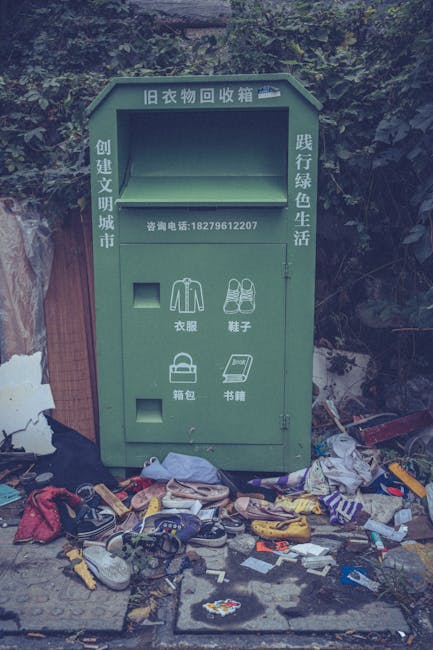
If you live, work, or clear out property around Westbourne Grove, rubbish recycling and donation spots are one of those things that sound simple until you're standing there with a bag of mixed clutter, a broken chair, and a hallway full of "I'll deal with it later" items. Westbourne Grove Rubbish Recycling and Donation Spots is really about making that moment easier: knowing what can be reused, what should be recycled, what needs specialist disposal, and where to take each item without causing more hassle than necessary.
That matters because good waste decisions are not just about tidiness. They save time, reduce landfill, support local reuse, and help you avoid that awkward feeling of dumping something that could have had a second life. In this guide, you'll get a clear, human explanation of how donation and recycling choices work in practice, how to sort items sensibly, and when a full clearance service may be the smarter option. A bit of planning goes a long way, honestly.
Why Westbourne Grove Rubbish Recycling and Donation Spots Matters
Westbourne Grove sits in a busy part of West London where homes, flats, shops, and offices all create different kinds of waste. That mix matters. A bag of clean clothes, a sofa with life left in it, and a pile of plasterboard offcuts do not belong in the same decision path. If they all go in one heap, you lose the chance to reuse, recycle, or dispose of them properly.
In practical terms, recycling and donation spots help you do three things well: keep useful items in circulation, keep recyclable materials out of general rubbish, and keep awkward waste from becoming a headache later. And let's face it, nobody wants to make three separate trips because a few items were sorted badly in the first place.
This also matters for landlords, tenants, shop owners, and anyone dealing with a clear-out after a move, renovation, or office refit. Around Westbourne Grove, space is usually tight, collections need to be managed neatly, and disposal mistakes are easy to make. The right approach saves time and keeps things looking decent on the street. That sounds minor until you're the one carrying a mattress down a narrow staircase at 7:30 on a wet Tuesday.
For larger clearances, it can be helpful to think beyond recycling points alone. A structured service such as home clearance, flat clearance, or furniture clearance may be the better route if the volume is high or the items are mixed.
How Westbourne Grove Rubbish Recycling and Donation Spots Works
The basic idea is straightforward: sort items by what they can become next. Donation spots are for things in usable condition. Recycling spots are for material streams that can be processed again. Disposal is for everything else, including damaged, contaminated, or non-recyclable items.
Most people do best when they separate waste into a few simple categories before they move anything. In our experience, this avoids the classic "I'll sort it later" pile, which never really gets sorted later. It just gets stared at for a week.
Typical sorting categories
- Donate: clean, working items with clear reuse value, such as clothes, books, small furniture, or household goods.
- Recycle: paper, cardboard, metals, glass, some plastics, and specific material streams where accepted.
- Dispose: broken, soiled, hazardous, or mixed items that cannot be donated or recycled easily.
- Special handling: electrical items, bulky furniture, garden waste, building materials, and certain business waste streams.
The challenge is not the categories themselves. It is the condition of the item and the local acceptance rules. A chair with a loose leg may still be useful if repaired. A sofa with heavy wear, stains, or damage may be a different story. A half-full paint tin is neither a clean donation nor simple recycling. This is where judgement matters.
When items are too bulky, too mixed, or too awkward to move safely, a clearance service can bridge the gap. For example, a property owner dealing with a loft full of odd boxes and old seasonal items may combine recycling with a loft clearance approach, rather than trying to sort everything in the street or hallway.
Key Benefits and Practical Advantages
There are a few obvious benefits, and a few that people only notice once they've done this properly once. The obvious one is tidiness. The less obvious one is momentum. When you know where things are going, the whole clear-out moves faster.
- Less waste to landfill: reusing and recycling more means less going into general rubbish.
- Lower handling stress: fewer trips, fewer last-minute decisions, fewer bags sitting in your kitchen.
- Better use of valuable items: furniture and household goods can often be reused instead of discarded.
- Cleaner property handovers: useful for tenants, landlords, sellers, and agents.
- Safer clearances: reducing clutter also reduces trip hazards and awkward lifting.
There is also a financial angle. Reuse and recycling are usually most efficient when planned early. If you leave everything until the end, you may need urgent removal, extra labour, or a more intensive service. A clear plan can keep costs more predictable. If you want a clearer idea of service options and how they are priced, the team's pricing and quotes information is a sensible place to start.
Expert summary: the best results usually come from a simple rule: donate the usable, recycle the accepted, and remove the rest in one coordinated pass. That reduces friction. Simple, but not always easy when the room is full.
Who This Is For and When It Makes Sense
This topic is useful for a surprisingly wide range of people. You do not need to be doing a giant property clearance to benefit from it. Sometimes it is just one broken unit, three bags of clothes, and a strange old printer you've been avoiding for months.
Homeowners and tenants
If you are moving, downsizing, decorating, or just finally tackling clutter, donation and recycling spots help you avoid wasteful binning. This is especially useful in flats, where storage is limited and waste can build up quickly.
Landlords and letting agents
After an end-of-tenancy clean, you often find a mix of reusable and non-reusable items. The smarter approach is to separate salvageable furniture, clear the rest efficiently, and leave the property ready for the next occupant.
Local businesses
Shops, studios, cafes, and offices around Westbourne Grove may need regular waste decisions, not just one-off clear-outs. If you deal with packaging, displays, chairs, desks, or stockroom clutter, a business-focused route is often easier. A dedicated business waste removal service may be more suitable than trying to improvise with general rubbish handling.
Renovators and trades
Builders' waste, broken fixtures, offcuts, old cabinets, and mixed construction debris need a different mindset again. Donating is usually not the main option here. Safety, separation, and proper disposal are the priorities, which is why builders waste clearance can be a practical fit.
It also makes sense if you are clearing out a garage, shed, or storage space that has become a catch-all for everything nobody knew what to do with. You know the place. Slightly damp, a bit dusty, and somehow full of cables from three different decades.
Step-by-Step Guidance
If you want a clear, manageable process, use this sequence. It keeps the job from spiralling into a half-day of indecision and tea breaks.
- Empty the space in small sections. Do not pull everything out at once unless you enjoy chaos. Work shelf by shelf or room by room.
- Sort into four piles. Donate, recycle, dispose, and unsure. The "unsure" pile should stay small.
- Check condition honestly. If an item is dirty, broken, missing parts, or smells musty, donation is unlikely to be right.
- Separate special items early. Electronics, furniture, paint, batteries, and bulky materials often need a separate plan.
- Pack donations neatly. Clean bags, taped boxes, and stackable items are easier to move and more likely to be accepted.
- Arrange collection or drop-off. Choose the option that suits the item type and your time.
- Keep the final sweep simple. Once the main items are gone, do a last check for loose screws, bits of packaging, and small forgotten bits in drawers.
A real-world example: if you are clearing a bedroom after a tenant move-out, you might donate a usable bedside table, recycle cardboard packaging, dispose of damaged blinds, and ask for a furniture pickup for a mattress that has reached the end of its life. That is much cleaner than a one-bag-will-do approach.
When the space is bigger, the process can be wrapped into a broader service such as house clearance or furniture disposal, depending on what is left after sorting.
Expert Tips for Better Results
A few small habits make a big difference. Not glamorous, but very effective.
- Keep donations clean and dry. Even good items may be refused if they are damp or dusty.
- Photograph valuable items before you move them. This helps if you later need to identify what went where or whether something could be reused.
- Use sturdy boxes for mixed small items. Loose bits take longer to deal with and create clutter again.
- Check furniture dimensions before moving. Westbourne Grove properties often have tight stairwells and awkward turns. Measure once, regret less.
- Do the heavy items first. That clears space for the smaller items and reduces the chance of damage.
- Work one category at a time. If you mix too many categories together, the job gets fuzzy very quickly.
One overlooked tip: if you are not sure whether something is reusable, set a short decision deadline. Give yourself ten seconds. If you still do not want it in your home and it is not clean enough to donate, it probably belongs in a different pile. A bit brutal, but useful.
For items that are awkward but still in good condition, it can help to pair the sorting process with a focused service such as furniture clearance so the useful pieces are moved without delay.
Common Mistakes to Avoid
This is where most people lose time. The mistakes are familiar, and to be fair, easy to make when you are busy.
- Assuming everything can be donated. Donation spots usually need items in decent condition, not just "mostly okay."
- Mixing recyclable and non-recyclable materials. A single contaminated bag can ruin a whole sorting effort.
- Leaving hazardous items until last. Paint, chemicals, batteries, and broken electricals need a separate plan.
- Underestimating bulky waste. Furniture and mattresses are rarely as simple as they first look.
- Forgetting access and lifting issues. Narrow stairs, parked cars, and tight entrances matter more than people think.
- Holding onto "maybe useful" clutter. Sometimes the real problem is indecision, not waste.
Another common one: people keep the donation pile on the floor next to the rubbish pile, and then everything becomes one vague heap. That is how good intentions quietly disappear. A label, a box, or even a different corner of the room can prevent that.
Tools, Resources and Recommendations
You do not need fancy equipment, but a few basics help.
- Strong bin bags and cardboard boxes for sorting smaller items.
- Permanent marker labels for "donate," "recycle," "dispose," and "unsure."
- Gloves for dusty lofts, garages, and storage spaces.
- Tape measure for furniture, tight hallways, and lift access.
- Phone camera to record item condition before movement.
- Trolley or sack truck if you are dealing with heavier items and safe access allows it.
For bigger clear-outs, it can be helpful to use a service that already understands the practical details of lifting, segregation, and disposal. Depending on the property and item type, garage clearance, loft clearance, or home clearance may be the most sensible route.
If the situation is more commercial, an office moving out old desks, chairs, and filing items may be better served by office clearance. Different spaces create different waste patterns. Sounds obvious, but people forget it all the time.
Law, Compliance, Standards, or Best Practice
For rubbish, recycling, and donation, the main compliance concern is making sure items go to the right place and are handled safely. In the UK, the exact requirements can vary depending on the material type, whether the waste is household or commercial, and whether any items are hazardous or restricted. It is always wise to follow accepted local and industry best practice rather than guessing.
In plain English, that means:
- do not mix potentially hazardous waste into ordinary rubbish;
- do not leave items where they create a fire, slip, or trip risk;
- do not assume a donation spot will accept damaged or unhygienic goods;
- treat electricals, sharp items, chemicals, and heavy materials with extra care;
- keep paperwork or item notes where business waste or special handling is involved.
For businesses, the standards are usually stricter in practice because traceability and safe disposal matter more. You may also need to think about duty of care, storage, staff safety, and collection timing. If you are unsure, the safest approach is to keep business waste separate from household clutter and use a service built for that environment.
Safety and trust are not side issues either. A provider that takes handling seriously should be clear about process, insurance, and responsible working practices. The pages on insurance and safety and health and safety policy are useful reference points if you are comparing how a service approaches risk and care. That kind of transparency matters.
Options, Methods, or Comparison Table
There are a few ways to deal with items around Westbourne Grove. The best choice depends on condition, quantity, and how fast you need the space back.
| Option | Best for | Strengths | Limitations |
|---|---|---|---|
| Local donation spot | Usable clothes, books, small household goods, some furniture | Supports reuse, simple for smaller items | May reject damaged, dirty, or oversized goods |
| Recycling route | Sorted recyclable materials | Good for material recovery, reduces general waste | Needs correct sorting and acceptance checks |
| DIY disposal | Small amounts of mixed waste | Flexible and direct | Time-consuming, tiring, and awkward for bulky items |
| Professional clearance | Furniture, mixed household waste, lofts, garages, offices | Fast, practical, less lifting, better for large jobs | May be unnecessary for very small amounts |
If you are only dealing with a few clean items, donation and recycling are often enough. If you are clearing a whole flat, a stockroom, or a loft that seems to have multiplied over the years, a structured clearance option will usually save more time than it costs in effort. Truth be told, that is often the real calculation.
Case Study or Real-World Example
Here is a realistic example. A small flat off Westbourne Grove needs clearing after a move. The occupants leave behind a mix of items: a decent bookshelf, two bags of old clothes, a cracked plastic storage unit, a broken kettle, several boxes of packaging, and a sofa that is still usable but heavy to move.
A sensible approach would be:
- donate the bookshelf and clean clothes if they are in good condition;
- recycle the cardboard packaging;
- dispose of the cracked storage unit and broken kettle appropriately;
- arrange furniture removal for the sofa;
- do a final sweep for small loose bits like screws, receipts, and cables.
That sounds straightforward, and it is, but only if you keep the categories separate. The benefit is not just a cleaner flat. It is a calmer process. No one likes making urgent decisions while standing in a doorway with a sofa leg caught on the frame. Been there, seen it, not pretty.
If the property is part of a larger clearance, the same logic can scale up to a flat clearance or full waste removal visit, depending on what needs to leave and how quickly.
Practical Checklist
Use this before you move anything. It keeps the day manageable.
- Have I separated donation, recycling, disposal, and unsure items?
- Are the donation items clean, working, and presentable?
- Do I know which items are bulky or need special handling?
- Have I checked access, stairs, lifts, parking, and door widths?
- Am I keeping hazardous or sharp items away from general bags?
- Have I labelled boxes or bags clearly?
- Do I need help with lifting, loading, or transport?
- Is there a final sweep planned for small loose items?
- Would a specialist clearance be easier than doing this in stages?
- Have I set aside a realistic amount of time, not an imaginary one?
That last one matters more than people think. A tidy plan on paper is lovely. A real plan that fits the afternoon is better.
If you are ready to sort the job properly, you can also review the company's recycling and sustainability approach for a better sense of how reusable and recoverable items are handled.
Conclusion
Westbourne Grove Rubbish Recycling and Donation Spots are most useful when you treat them as part of a simple system, not a last-minute fix. Donate what still has life in it, recycle what can genuinely be processed again, and clear the rest with a sensible plan. That keeps waste down, reduces stress, and helps the area stay cleaner and more manageable.
Whether you are clearing a single room or a whole property, the key is the same: sort early, be honest about condition, and choose the right route for each item. A little structure saves a surprising amount of effort. And in a busy London neighbourhood, that is no small thing.
If you want extra help with a bigger job, the best next step is often to speak with a clearance team that understands local access, safe handling, and responsible disposal. It makes the whole thing feel less like a mountain.
Get a free quote today and see how much you can save.
And if all you manage this week is one shelf, one bag, or one stubborn corner, that still counts. Sometimes that is enough to get the whole thing moving.
Frequently Asked Questions
What counts as a donation item around Westbourne Grove?
Donation items are usually things that are clean, usable, and complete. Think clothes, books, homeware, and some furniture. If it is broken, stained, missing parts, or no longer safe to use, it is less likely to be accepted.
Can I recycle bulky items like furniture?
Some furniture can be recycled or reused, but it depends on the material and condition. Wooden pieces, metal frames, and some upholstered items may need different handling. If it is still usable, furniture clearance may be the smoother route.
What should I do with electrical items?
Electricals need separate handling. Working items may be reusable, but damaged ones usually need proper disposal rather than general rubbish. Keep cables, chargers, and accessories together if you can.
Are donation spots the same as recycling spots?
No. Donation spots are for reusable items, while recycling spots are for materials that can be processed again. A clean jumper might be donated, while cardboard packaging would usually be recycled.
What if I'm not sure whether something can be donated?
If you are unsure, check the condition honestly. Clean, working, and presentable usually means donation is possible. Dirty, damaged, or incomplete items are better treated as recycling or disposal instead.
Is it better to sort items before booking clearance?
Yes, if you have the time. Pre-sorting makes the job faster, cleaner, and often cheaper to handle. Even a rough first pass helps a lot.
What if I only have a few bags of waste?
Small amounts can often be sorted and dealt with without a full clearance service. But if those bags include bulky or awkward items, a professional collection can still be worth it for the convenience alone.
Do I need a special service for loft or garage waste?
Often, yes. Lofts and garages tend to contain mixed clutter, heavier items, and awkward access. A focused service such as loft clearance or garage clearance is often more practical than trying to do it all yourself.
Can businesses use the same donation and recycling approach as households?
Broadly, yes, but business waste usually needs more care around separation, storage, and responsibility. If you are clearing desks, stock, packaging, or office furniture, business waste removal or office clearance may be more appropriate.
How do I avoid mixing reusable items with rubbish?
Use separate bags, boxes, or corners of the room, and label them clearly. Once everything is in one pile, the useful stuff quickly becomes difficult to rescue. A little structure at the start saves a lot of sorting later.
What is the safest way to clear heavy items?
Use proper lifting technique, don't rush, and get help for awkward or oversized items. If access is tight or the item is too heavy, it is safer to arrange professional removal than to force it.
When should I book a full clearance instead of doing it myself?
Book a full clearance when the volume is large, the items are mixed, the access is awkward, or you simply do not have the time. If the job is likely to drag on for days, a structured service can be the calmer option.