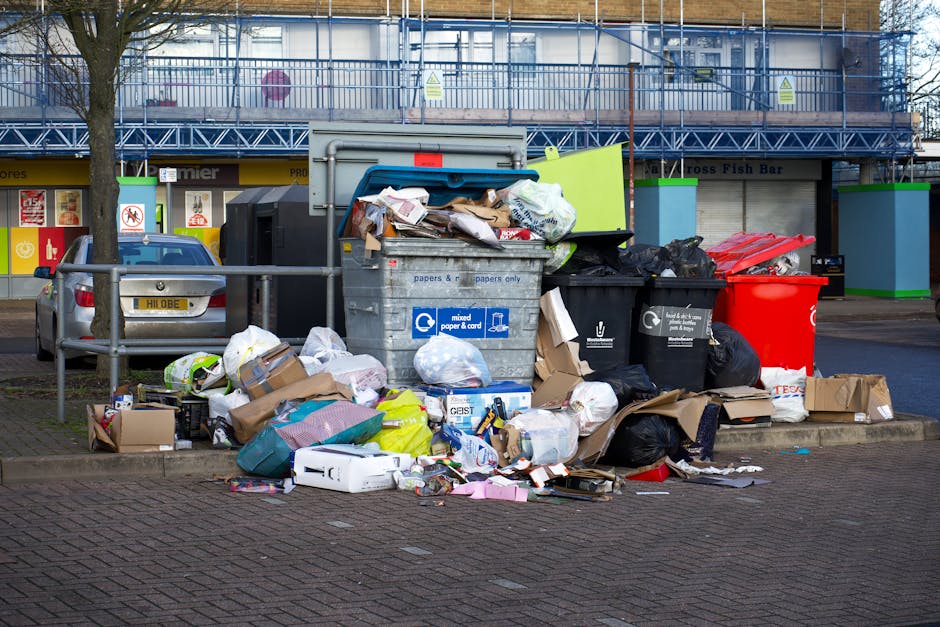
Westminster Council W2 Rubbish Charges and Removal
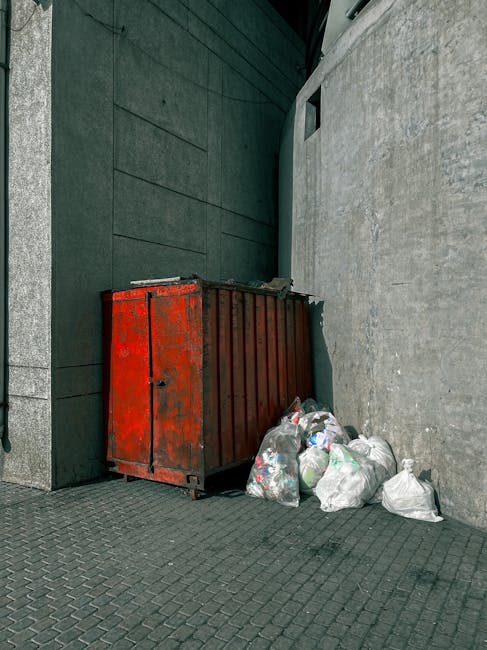
If you live or work in W2, rubbish removal can become awkward fast. One minute it is a couple of bin bags and a broken chair; the next, you are staring at a hallway full of unwanted furniture, builder's debris, or loft clutter and wondering what the council will take, what it will charge, and whether there is an easier way. Westminster Council W2 rubbish charges and removal is a topic that sounds simple, but in practice it touches collection rules, booking windows, bulky item limits, and the real-world question of time.
This guide breaks the subject down in plain English. You will learn how council-related rubbish removal normally works in Westminster, where charges tend to come from, when a private clearance service makes more sense, and how to avoid the common mistakes that cause delays or unexpected costs. To be fair, most people just want the rubbish gone without drama. Fair enough.
Why Westminster Council W2 Rubbish Charges and Removal Matters
In W2, space is at a premium. Flats, mansion blocks, mews houses, serviced apartments, offices, and small commercial premises all generate waste, but they rarely have the luxury of a large driveway or a spare garage. That means rubbish piles up quickly, and once it does, you need a plan that is both practical and compliant.
Understanding Westminster Council W2 rubbish charges and removal matters because the cheapest option is not always the easiest, and the easiest option is not always the cheapest. A council collection may suit a small, clearly defined load. But if you have awkward access, mixed waste, heavy furniture, or a tight deadline, you could spend more time waiting than clearing. And let's face it, nobody enjoys dragging a wardrobe down three flights of stairs while the lift is out of service.
There is also a broader point here: waste has to go somewhere, and the route you choose can affect cost, convenience, recycling, and your own peace of mind. If you want a service that handles mixed loads, household items, or larger clearances in one go, it is worth comparing the council route with professional clearance options such as waste removal or more specific services like house clearance and flat clearance.
Key point: the right choice is usually the one that matches the type of waste, the access you have, and how quickly you need it gone.
How Westminster Council W2 Rubbish Charges and Removal Works
Exact council arrangements can change, so it is always sensible to check the current Westminster collection rules before booking anything. In general, rubbish removal in a council context works in one of a few ways:
- you arrange a collection for larger household items or bulky waste;
- you use scheduled household waste services for ordinary bins;
- you book separate removal for specific items, depending on what is accepted;
- you pay a charge where the service is not included in routine household collection.
Charges usually depend on the type and volume of waste, whether the items are classed as bulky, whether the collection is ad hoc, and whether a special vehicle or crew is needed. A couple of sacks is one thing. A sofa, mattress, broken desk, and bag of mixed clutter is another story entirely.
For many residents, the practical question is not "what is the policy?" but "what will actually happen on collection day?" That is where clarity matters. If you place items out too late, leave them in the wrong spot, or include prohibited materials, the collection may be delayed or refused. That is annoying at the best of times, especially if visitors are coming or you are trying to hand a property back to a landlord.
If your waste includes furniture, you may also want to look at furniture disposal or furniture clearance, particularly when the item is bulky but still needs responsible handling.
Private clearance companies often work differently. Instead of asking you to split items into separate categories and wait for a slot, they usually quote based on load size, item type, access, and labour. That can be much quicker for mixed or urgent clearances. If you are comparing options, the site's pricing and quotes information is a sensible place to start.
Key Benefits and Practical Advantages
There is no single "best" way to remove rubbish. But there are clear advantages to understanding your choices before you book anything.
- Better budgeting: you can compare the likely council charge with a private clearance quote and make a calmer decision.
- Less time wasted: instead of guessing, you know whether you need to book, sort, bag, dismantle, or move items.
- Reduced stress: no one wants a pile of unwanted waste sitting by the front door for days.
- More suitable service: the waste route you choose can match the reality of your property, from a compact W2 flat to a larger townhouse or office.
- Cleaner end result: a proper clearance leaves the space usable again, not just half-cleared and awkwardly abandoned.
There is also a sustainability angle. A responsible clearance approach should aim to recycle and divert as much as possible where practical. That does not mean every item can be reused, of course, but it does mean it is worth working with a provider that treats waste carefully. You can read more about that approach in the company's recycling and sustainability information.
Good rubbish removal is not just about lifting things into a van. It is about making the process feel manageable from start to finish.
Who This Is For and When It Makes Sense
This topic matters to a surprisingly wide group of people. In W2, we often see a few common scenarios.
- Homeowners and tenants: clearing old furniture, broken appliances, loft clutter, or leftover items after a move.
- Landlords and letting agents: needing quick turnaround between tenancies, especially when a tenant has left behind items.
- Flat owners and residents of managed buildings: dealing with access restrictions, narrow staircases, and shared entrances.
- Businesses: removing office furniture, archive waste, or mixed commercial rubbish.
- Trades and renovators: shifting builder's waste after work is complete.
It makes sense to look beyond council collection when you have any of the following:
- more than a small amount of waste;
- heavy or bulky items;
- mixed loads that are awkward to sort;
- limited access or no parking nearby;
- a deadline tied to moving day, a tenancy handover, or a site clean-up;
- items stored in a loft, garage, or basement that are hard to move without help.
For example, a one-bedroom flat in Bayswater with a broken bed frame, a small sofa, and several bin bags may be fine for a modest clearance. A half-empty office on a Friday afternoon, on the other hand, can quickly become a logistical puzzle. Different job. Different solution.
Step-by-Step Guidance
If you want to make a sensible decision about Westminster Council W2 rubbish charges and removal, work through the process in order. A bit of structure saves a lot of faffing about later.
- Identify the waste type. Separate general rubbish, furniture, electricals, builder's waste, green waste, and anything potentially hazardous.
- Estimate the volume. Is it a few bags, a small van load, or something much larger? Be honest. Underestimating usually leads to headaches.
- Check access. Note stairs, lift availability, parking restrictions, loading points, and whether items need dismantling.
- Decide whether council removal is suitable. If the waste is simple and the timing works, council collection may be enough. If not, consider a private option.
- Compare the full cost. Look beyond the headline figure. Time, labour, access, and delays all carry a cost, even if they are not shown as a line item.
- Book the collection or clearance. Make sure you understand what can be taken, how items should be left out, and whether someone needs to be present.
- Prepare the items. Bag loose waste, keep paths clear, and move items into the agreed location where possible.
- Confirm the space is clear. After collection, check corners, communal areas, and storage cupboards. Small bits always seem to hide under something, don't they?
If the job includes a full property clean-out, services such as home clearance, loft clearance, or garage clearance may be more useful than a simple one-off waste collection.
Expert Tips for Better Results
After many clearances, a few habits consistently save time and money.
- Sort before you book. Even a rough sort helps you avoid paying for a larger load than necessary.
- Take photos. A couple of clear photos often make quoting more accurate and reduce surprises on the day.
- Think in layers. The visible clutter is only part of the job. Cupboards, under-bed storage, loft corners, and balcony stacks can add up fast.
- Measure anything bulky. Sofas, wardrobes, and desks can be awkward in narrow W2 stairwells.
- Plan around building rules. Many blocks have loading restrictions, concierge procedures, or service lift windows.
- Ask about labour and access. Sometimes the item itself is not the issue. It is the three flights of stairs and the awkward turn at the landing.
A practical habit we recommend is creating a simple "keep, donate, clear" pile system. It sounds basic, but it stops you making tired decisions in the middle of a room that already feels full. And after 8pm on a moving day? Everything looks worse, somehow.
If your clearance includes commercial items, the business waste removal page is worth a look. For refurbishment debris, builders waste clearance is usually the more relevant route.
Common Mistakes to Avoid
Most problems with rubbish removal come from a handful of avoidable errors. They are not dramatic, just annoying. Which is often worse.
- Assuming all waste is treated the same. It is not. Furniture, general rubbish, and construction debris can fall into very different handling categories.
- Waiting until the last minute. Tight deadlines push up stress and shrink your options.
- Forgetting access restrictions. A van cannot park where it is not allowed, and a stair-only property takes longer than ground-floor access.
- Leaving mixed waste unsorted. This can make pricing less predictable and the job more complicated than it needs to be.
- Not checking what the collection includes. Some services cover labour, loading, and disposal; others are more limited.
- Placing items out incorrectly. A missed collection often comes down to small details like placement, timing, or item type.
One especially common mistake in W2 is underestimating how long it takes to move items through communal areas. A hallway that looks wide enough in daylight can feel very different when you are carrying a table and trying not to scrape the wall. Happens all the time.
Tools, Resources and Recommendations
You do not need a complicated toolkit to manage rubbish removal properly. A few basic things make the process smoother.
- Carrier bags and rubble sacks: useful for loose waste and small mixed items.
- Labels or tape: helpful if you are separating keep, donate, recycle, and clear piles.
- Measuring tape: useful for furniture, beds, wardrobes, and anything going through tight spaces.
- Phone camera: a quick way to record what needs clearing and send accurate photos for a quote.
- Gloves and sturdy footwear: basic, but worth having if you are moving items yourself.
For those who want a broader service, the most useful supporting pages are often the ones that match the type of clearance rather than the address. A property with a lot of mixed contents might benefit from house clearance or furniture disposal, while a compact apartment could be better served by flat clearance.
If you are comparing providers, review details like payment method, booking clarity, and safety approach. The site's payment and security, insurance and safety, and health and safety policy pages are useful trust signals to check before you commit.
Law, Compliance, Standards, or Best Practice
Waste removal in the UK is not just about convenience. There are legal and practical responsibilities around how waste is stored, transported, and handed over. You do not need to become a compliance expert overnight, but you should know the basics.
First: waste should only be passed to an authorised carrier. That is a core expectation in responsible waste management. If someone offers a very cheap clearance but cannot explain where the waste goes or how it is handled, that should make you cautious.
Second: if you are a business, your duty of care is even more important. Commercial waste records, clear documentation, and proper handling matter more than people sometimes realise. A quick fix today can become a problem later if the waste was not managed correctly.
Third: special items need special care. Fridges, electronics, paints, solvents, and other potentially hazardous materials should not be treated as ordinary household rubbish. If in doubt, ask before putting them in the pile.
Best practice is simple: identify the waste, keep it separate where needed, use a reputable provider, and make sure the collection method suits the item type. That is the boring answer. It is also the right one.
Options, Methods, or Comparison Table
Here is a straightforward comparison of the main routes people consider in W2.
| Option | Best for | Pros | Watch out for |
|---|---|---|---|
| Council-style collection | Small or clearly defined loads | Can be straightforward and familiar | May involve waiting, item limits, and stricter booking rules |
| Private waste removal | Mixed loads, urgent jobs, awkward access | Flexible, fast, and often easier for bulky items | Need to compare quotes and scope carefully |
| Full property clearance | House moves, probate, tenancy handovers, major declutters | One coordinated visit, less stress, more complete result | Requires clearer planning and item lists |
| Specialist clearance | Furniture, offices, gardens, builders' waste | Matched to the actual waste type | Choose the right service or you may overpay for the wrong one |
For many readers, the decision is less about "which is cheapest?" and more about "which gets the job done without eating my day?" That is the honest calculation.
Case Study or Real-World Example
Picture a typical W2 flat in early spring. A tenant is leaving, the landlord wants the space ready for cleaning, and the rooms are full of a small sofa, two broken dining chairs, a mattress, several bags of general rubbish, and a box of old kitchen bits. The hallway is narrow. The lift is unreliable. The handover is the next morning.
In that scenario, a council-style option might work if the load is split carefully and the timing is perfect. But if the landlord needs certainty, a private clearance is often the more practical route. The crew can remove the furniture, load the rubbish, and leave the flat ready for the next stage. Less back and forth. Less risk of a collection being missed. And, honestly, much less stress for everyone involved.
Now compare that with a smaller job: a couple of bin bags, one broken bedside table, and some packaging after a furniture delivery. That is much closer to a simple rubbish removal job, and a council route may be entirely adequate. The key is matching the method to the amount and type of waste, not just assuming one solution fits all.
That is where a service like contact us becomes useful: you can ask about the load, access, and timing before making a decision, which is a lot better than guessing.
Practical Checklist
Use this checklist before you arrange Westminster Council W2 rubbish charges and removal or choose an alternative service.
- Have I identified exactly what needs removing?
- Do I know whether the items are general waste, furniture, electricals, or builder's waste?
- Have I estimated the amount accurately?
- Is access easy enough for collection, loading, and transport?
- Do I need a fast turnaround?
- Have I checked whether any items need special handling?
- Do I understand the likely charge structure?
- Have I compared council collection with private clearance?
- Have I reviewed the provider's safety and payment information?
- Is the waste sorted enough to make the job smooth?
If you can tick most of those boxes, you are probably in a good place. If not, take ten minutes and reset the plan. That tiny pause can save a lot of time later.
Get a free quote today and see how much you can save.
Conclusion
Westminster Council W2 rubbish charges and removal is really about making a practical choice under local conditions: tight access, busy schedules, and the need to clear waste properly. For small, simple collections, the council route may be enough. For bulky items, mixed rubbish, or time-sensitive clearances, a professional service can be the smoother and often more sensible option.
The best outcome is the one that leaves your space clear, your costs understood, and your day intact. If you are standing in a room full of clutter wondering where to begin, start with the waste type, the access, and the deadline. The rest gets easier from there. Bit by bit.
And once the last bag is gone and the room feels quiet again, that clean, empty space does feel good. Properly good.
Frequently Asked Questions
What does Westminster Council W2 rubbish charges and removal usually cover?
It generally refers to the way the council handles waste collections in the W2 area, including any charges for bulky or special collections. The exact scope depends on the current council service rules and the type of waste.
Is council rubbish removal cheaper than private clearance?
Sometimes, yes, especially for small and straightforward loads. But private clearance can be better value when you factor in speed, labour, awkward access, or the cost of your own time.
How do I know whether I need bulky waste removal?
If you have items like sofas, mattresses, wardrobes, desks, or similar large pieces, you may need a bulky waste or clearance option rather than ordinary bin collection.
Can I mix furniture and general rubbish in one collection?
Often yes with private clearance, though pricing and handling may vary. For council services, mixed waste may be more restricted, so it is worth checking before booking.
What happens if I leave items out incorrectly?
The collection may be delayed or refused. That is why placement, timing, and item type matter so much. A small mistake can cause an avoidable rebooking.
Do I need to be present during the clearance?
Sometimes yes, especially if access is controlled or if the team needs you to confirm what should be taken. In other cases, arrangements can be made in advance.
What is the best option for a flat clearance in W2?
For a full or partial flat clearance, a dedicated service is often the easiest choice. It handles furniture, mixed contents, and access issues more smoothly than a basic rubbish collection.
Can offices in Westminster use the same type of service?
Yes, but office waste is usually better handled through a business-focused service. Office furniture, paperwork, and mixed commercial items often need a more tailored approach.
What should I do with builder's waste?
Builder's rubble, timber offcuts, plasterboard, and similar debris are usually best handled through a specialist builders waste clearance service rather than a general household rubbish collection.
How can I keep costs under control?
Sort items before booking, send clear photos, measure bulky pieces, and choose the service that matches the actual waste. Being organised for ten minutes can make a real difference.
Are there safety or insurance points I should check?
Yes. It is sensible to review the provider's insurance and safety details, especially for larger clearances, awkward access, or heavy lifting in communal buildings.
What if I am clearing a loft, garage, or garden as well?
Then it usually makes sense to look at the relevant specialist service rather than treating everything as generic rubbish. Loft, garage, and garden clearances can be planned more efficiently when matched to the space.
How do I choose between council removal and a private quote?
Ask yourself three things: how much waste you have, how quickly it needs removing, and how easy access is. If the answer is "a lot, soon, and awkward," private clearance usually wins on practicality.
Where can I learn more about the company's approach?
You can review the company's about us page and related service information to understand how it handles clearances, pricing, and customer support.